


Today’s hook
If I ask you right now, “What exactly is propolis?” the most common answer is:
“It’s good for immunity.” Period.
But current science shows the story is a lot more interesting. Propolis is, at the same time:
– the hive’s “cement,”
– the bees’ “natural antibiotic,”
– and a cocktail of bioactive molecules that can influence inflammation, infections, skin health, and even chronic diseases.
To build a clear, organized view of what propolis is and what it’s used for, I leaned on recent reviews on the topic, including a broad article on the role of propolis in human health and chronic disease.
The goal here is straightforward: in a clinic-friendly language, explain what propolis is, what’s inside it, and in which situations it makes sense to talk about real, evidence-based benefits.
The simplified deep dive
1) What is propolis, really?
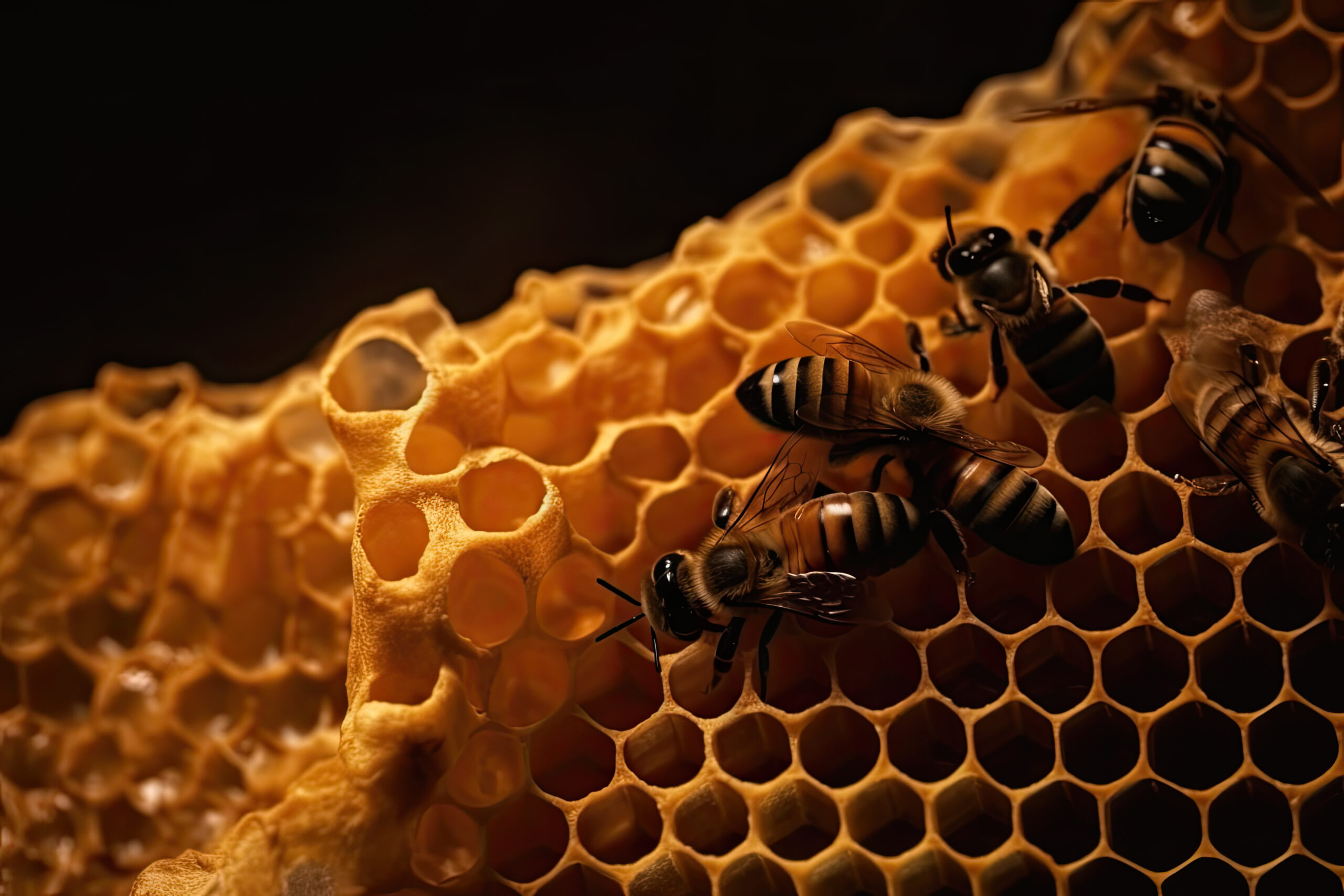
Propolis is a resin bees make from plant materials, mixed with wax, oils, and a small amount of pollen. Bees collect resins from buds, bark, and plant exudates, “process” them with enzymes from their saliva, and use the mixture to:
- seal gaps in the hive
- isolate threats (fungi, bacteria, small invaders)
- regulate temperature and humidity inside the nest
Typical composition (varies by region and bee species):
- about 50–55% plant resins and balsams
- 30% wax
- 8–10% essential oils
- ~5% pollen
- 5% other organic components
Well-known types include brown, green (Brazil, rich in artepillin C), and red propolis—each with a different chemical profile and potency.
I like to think of propolis as the hive’s thermal, acoustic, and antimicrobial insulation system.
2) What’s inside: propolis’ chemical “toolkit”
Up close, propolis is less “one product” and more an ecosystem of bioactive molecules.
Main compound groups include:
- flavonoids and other polyphenols (e.g., quercetin, pinocembrin, galangin, artepillin C, CAPE)
- phenolic acids and their esters (e.g., caffeic, ferulic, cinnamic acids)
- terpenes and terpenoids
- coumarins, steroids, amino acids, plus vitamins (A, B-complex, C, E) and minerals (zinc, magnesium, iron, etc.)
This blend helps explain properties often described as:
- antioxidant
- anti-inflammatory
- antimicrobial (bacteria, fungi, viruses)
- immunomodulatory
- potential anti-tumor effects in experimental models
3) What is propolis used for in human health today?
Instead of a loose list of benefits, I prefer organizing by areas where the evidence is more consistent.
a) Immunity and infections
Recent reviews suggest propolis can:
- inhibit bacterial growth, especially Gram-positive bacteria
- reduce biofilm formation
- show antiviral and antifungal activity across multiple models
That’s why it shows up in:
- throat sprays and lozenges
- extracts marketed for “support” during upper respiratory infections
- oral formulations used as an adjunct in recurrent infections
Important note: much of the data comes from small studies or experimental research. Propolis doesn’t replace antibiotics when they’re indicated, but it may play a complementary role in some contexts.
b) Inflammation, wound healing, skin, and mucous membranes
Propolis also stands out in exposed tissues:
- may stimulate collagen production
- may speed up healing
- may reduce local inflammation in skin and mucosa
Which helps explain its use in:
- canker sores, gingivitis, periodontitis, and post-procedure support in dentistry
- chronic wounds, minor burns, and ulcers
- skincare products for sensitive skin, acne-prone skin, or early signs of aging
The logic is pretty coherent: less inflammation + more tissue repair.
c) Chronic diseases (metabolic, cardiovascular, inflammatory)
Reviews in humans and animal models suggest propolis may:
- reduce systemic oxidative stress
- modulate inflammatory cytokines
- improve lipid profile and some glycemic markers
- act as an adjunct in cardiovascular disease, type 2 diabetes, and chronic inflammatory conditions
There’s also encouraging experimental data in obesity, suggesting anti-obesogenic actions from propolis polyphenols—though in humans this evidence is still evolving.
Honest summary: interesting potential as an adjunct, but still far from being a standalone treatment for chronic disease.
4) How propolis is used in practice — forms, safety, and limits
On the shelf (and sometimes in the clinic), propolis appears as:
- hydroalcoholic extract (the classic “drops”)
- capsules with dried extract
- nasal and oral sprays
- topical ointments, gels, and creams
- an ingredient in cosmetic formulations
A few points I always emphasize:
Not all propolis is the same
Composition varies with local flora, bee species, solvent, and extraction method. That makes dose standardization and study comparisons harder.
Generally safe, but…
– people allergic to bee products (honey, venom, pollen) may react
– there are reports of contact dermatitis and allergic reactions to specific compounds
Not a substitute for medical treatment
– don’t swap antibiotics, steroids, chemotherapy, or biologics for propolis
– think of it as an adjunct, especially for mild upper respiratory infections, oral health, minor wounds, and as supportive care in chronic disease when appropriate
Takeaways and invitation
My overall read is:
- Biologically, propolis is the hive’s “first-aid kit”—and that function translates into many of the effects we see in humans: antimicrobial, anti-inflammatory, and tissue-repair support.
- Clinically, it’s promising as a complement for mild respiratory infections, oral health, healing, and in some chronic contexts—when used thoughtfully, not as a cure-all.
- Scientifically, we still need larger clinical trials and better standardized extracts before we can say with confidence: “this dose, for this long, for this outcome.”
My practical suggestion is simple: before treating propolis as a “fix for everything,” it’s worth seeing it for what it really is—a complex natural product with real potential, but with evidence still developing for many indications.
That was today’s dose of science in the Medical Innovation series.
Now I want to hear from you: where have you seen propolis used most—immunity, sore throat, skin, or chronic issues? Drop your take in the comments, and come back tomorrow for the next daily update.
Source:
Propolis: Its Role and Efficacy in Human Health and Diseases (PMC / PubMed Central). https://pmc.ncbi.nlm.nih.gov/articles/PMC9504311/