

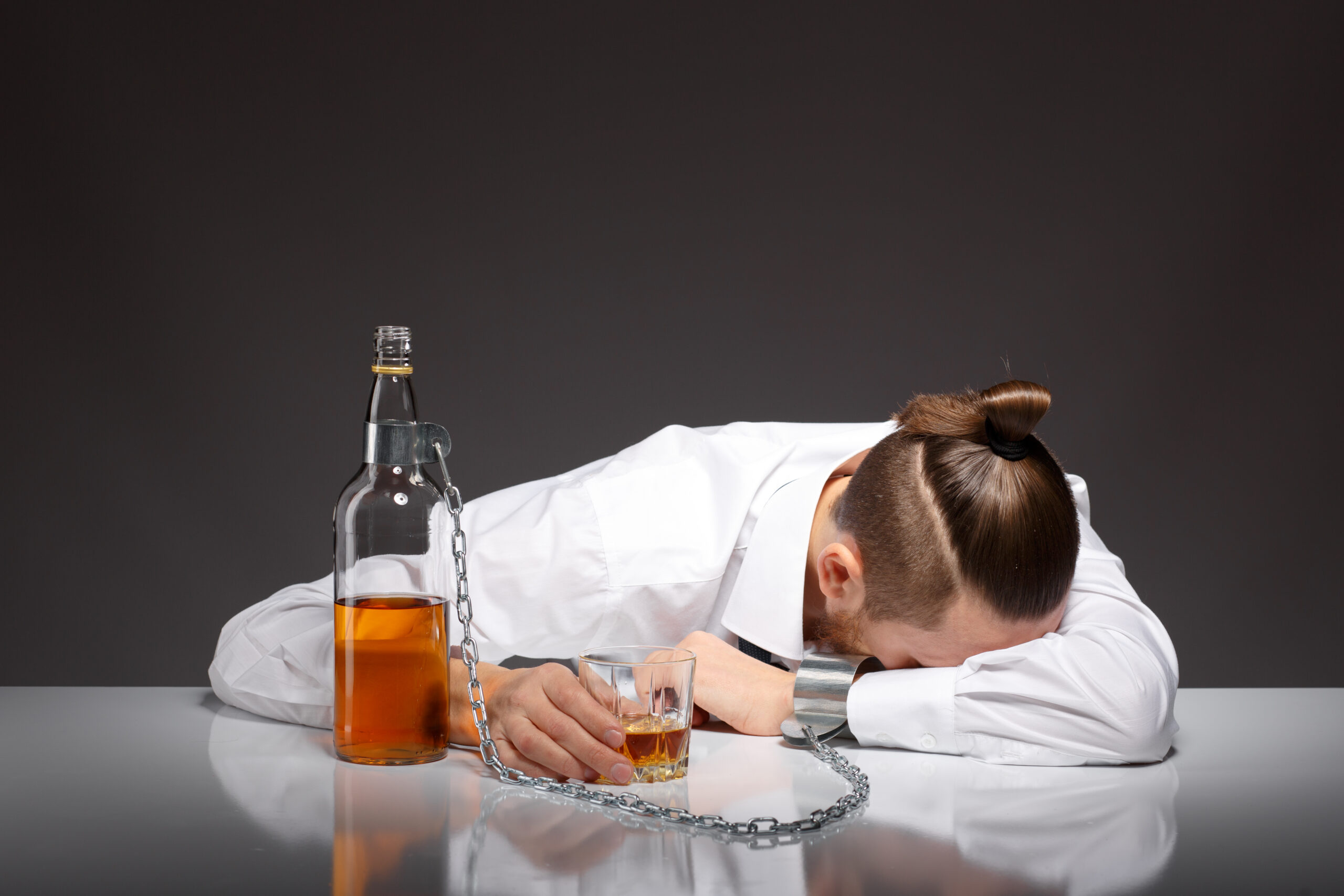
Today’s hook
Who hasn’t woken up after a “too much” night thinking, “I’m never drinking again.”
But the question I want to plant in your mind today is a different one:
Is a hangover just a moral punishment… or a pretty clear biological signal that your body has temporarily gone into emergency mode?
The paper guiding today’s column is “Alcohol Hangover: Mechanisms and Mediators”—a classic review that breaks down what a hangover is, which mechanisms drive it, and why, despite being so common, it’s still surprisingly under-studied. (PMC)
The authors show that a hangover isn’t a simple phenomenon. It emerges from a combination of:
- direct effects of alcohol (dehydration, GI irritation, glucose shifts, sleep disruption and circadian effects),
- a “mini” acute withdrawal-like state,
- toxic metabolites,
- and even non-alcohol substances in drinks—such as methanol and other congeners. (PMC)
And here’s the uncomfortable part: despite all this, almost no “hangover cure” you hear about has been seriously tested in rigorous clinical trials. (PMC)
The simplified deep dive
1) What is a hangover—technically speaking?
The definition in the paper is straightforward: a hangover is a cluster of unpleasant physical and mental symptoms that occur after heavy alcohol intake—typically as blood alcohol is falling, and often when blood alcohol is already near zero at the time symptoms peak. (PMC)
Typical symptoms (Table 1): (PMC)
- General: fatigue, weakness, thirst
- Pain: headache, muscle aches
- GI: nausea, vomiting, abdominal pain
- Sleep/rhythm: short sleep, poor sleep, REM changes
- Sensory: dizziness/vertigo, sensitivity to light and sound
- Cognitive: reduced attention and concentration
- Mood: anxiety, irritability, depressed mood
- Sympathetic activation: tremor, sweating, tachycardia, increased systolic blood pressure
It starts a few hours after you stop drinking, worsens as blood alcohol reaches zero, and can last up to 24 hours. (PMC)
One key point: about 75% of people who drink to intoxication report hangovers at least sometimes—but there’s huge individual variability. Some get hangovers after only a few drinks; others rarely do, even after heavy intake. (PMC)
2) What does alcohol do directly in the body—during the “party”?
The review organizes direct mechanisms into several clear blocks. (PMC)
a) Dehydration and electrolytes
Alcohol is a diuretic: it inhibits antidiuretic hormone (ADH), increasing urine output.
With roughly 50 g of alcohol (around 4 standard drinks) in 250 mL, a person can lose up to 600–1,000 mL of water over a few hours. (PMC)
Vomiting, sweating, and diarrhea can add even more losses.
Result: thirst, weakness, dizziness—the classic “dry” hangover feel.
b) Gastrointestinal irritation
Alcohol irritates the stomach and intestines, can trigger gastritis, delays gastric emptying, and increases acid secretion and pancreatic/intestinal enzyme activity. (PMC)
That explains a lot of next-day nausea, abdominal pain, and vomiting.
c) Metabolism and glucose
Alcohol metabolism promotes fat accumulation in the liver (steatosis) and lactic acid buildup (lactic acidosis).
It can also impair glucose production—especially in people who drink heavily and eat little over days. (PMC)
Low blood sugar contributes to fatigue, weakness, and mood changes—and is particularly risky for people with diabetes.
d) Sleep and biological rhythms (“alcohol jet lag”)
Alcohol may help you fall asleep faster, but it worsens sleep quality: shorter total sleep, reduced REM, disorganized deep sleep, and rebound insomnia. (PMC)
It also disrupts circadian rhythms related to body temperature, growth hormone release, and cortisol secretion.
In practice, it’s like a chemical jet lag: you sleep, but you wake up more exhausted.
3) Is a hangover a “mini withdrawal”?
The paper argues yes—at least in part. (PMC)
After repeated alcohol exposure, the brain adapts:
- fewer inhibitory GABA receptors
- more excitatory glutamate receptors
This compensates for alcohol’s depressant effect while it’s present. When alcohol leaves the system, the balance swings into “overdrive,” with sympathetic hyperactivity—tremor, tachycardia, sweating, anxiety. (PMC)
Notably, several items on the CIWA-Ar scale (used for alcohol withdrawal) also show up in hangovers: nausea, tremor, sweating, anxiety, headache, and sensory disturbances. (PMC)
And there’s a real-world observation most people recognize: drinking again can temporarily ease hangover discomfort—just as alcohol can temporarily relieve withdrawal symptoms in dependent individuals. Another clue that mechanisms overlap. (PMC)
4) Metabolites and what else is “in the glass”
It’s not just ethanol.
a) Acetaldehyde
Ethanol is converted into acetaldehyde (via alcohol dehydrogenase) and then into acetate (via aldehyde dehydrogenase). (PMC)
Acetaldehyde is reactive, binds proteins, and can cause flushing, tachycardia, sweating, nausea, and malaise.
In people with genetic variants affecting ALDH (slower metabolism), even small amounts can trigger intense reactions.
Even if free acetaldehyde often isn’t detectable once blood alcohol is already zero, downstream effects can persist and contribute to symptoms.
b) Congeners—especially methanol
Alcoholic beverages contain more than ethanol: they include congeners, biologically active compounds that contribute to flavor, color, and aroma (whiskey, cognac, red wine: more; vodka/gin: less). (PMC)
Studies suggest “cleaner” drinks (vodka, gin) tend to cause less severe hangovers than congener-rich drinks (whiskey, brandy, red wine), although none are fully “hangover-proof.” (PMC)
A particularly relevant congener is methanol, which in small amounts is also metabolized into formaldehyde and formic acid. Even far below poisoning doses, it may worsen hangover symptoms. (PMC)
c) Other modifiers
Smoking, sleep deprivation, fasting, personality traits, and family history of alcoholism can also influence how intense a hangover feels. (PMC)
Implications and call to action
What do I take from this paper into real practice—and into honest conversations with patients and friends?
A hangover isn’t “weakness,” it’s physiology getting loud.
It reflects dehydration, GI irritation, glucose disruption, wrecked sleep, sympathetic overactivation, and possibly a withdrawal-like state. It’s not neutral for the body.
There’s no proven “miracle hangover cure.”
Most popular “remedies” have never been tested in high-quality clinical trials. What actually holds up is prevention: pace, dose, hydration, eating with alcohol, choosing drinks more wisely—and sometimes simply not drinking.
For people who work, drive, or make critical decisions, the day after matters.
Even with a zero blood alcohol level, some people show measurable impairment on complex tasks—including military pilot flight-simulator performance, as the review notes. (PMC)
My takeaway: understanding hangovers in detail isn’t about “helping people drink better.” It’s about clearly explaining the biological cost of binge episodes—and using that as a health education tool, especially with younger people.
That was today’s dose of science in the Medical Innovation column.
Now I want to hear from you: in your clinical (or personal) experience, are hangovers treated as a warning sign—or as a “normal” part of social life? Do you think understanding the mechanisms can actually change behavior? Drop your take in the comments and come back tomorrow—we’ll keep translating physiology into everyday decisions.