


Today’s hook
If someone shows up to the ER saying, “I drank some weird, cheap alcohol—questionable source,” and a few hours later starts seeing everything blurry and hyperventilating… would methanol jump to the top of your differential?
Today’s key reference is the “Methanol Toxicity” chapter from StatPearls/NCBI Bookshelf, last updated in February 2025. It provides a comprehensive overview of the etiology, pathophysiology, diagnosis, and treatment of methanol poisoning—with a strong focus on real-world clinical practice and team-based care. (CNIB)
This matters even more in our context: over the last few years, several countries in the Americas—including Brazil—have reported outbreaks of methanol poisoning from adulterated alcoholic beverages, sometimes involving dozens to hundreds of cases and high mortality, to the point that PAHO/WHO issued a specific epidemiologic alert in 2025. (OPAS+1)
In other words: this is no longer a “rare” toxicology topic—it’s emergency medicine and public health, and it can absolutely show up on an ordinary call shift.
The simplified deep dive
1) What is methanol—and where does it hide?
The chapter reminds us: methanol (CH₃OH) is a toxic alcohol in the “toxic alcohol” group (methanol, ethylene glycol, diethylene glycol, isopropanol). Among them, methanol is one of the most dangerous. (CNIB)
You can find it in:
- windshield washer fluid
- some antifreezes and brake fluids
- solvents and industrial products
- fuels used to heat or warm food
- perfumes and other household products (CNIB+1)
And—most concerning for clinicians today:
in adulterated or poorly distilled alcoholic beverages, which can trigger mass poisoning outbreaks. (CNIB+2; OPAS+2)
Main exposure routes:
- ingestion (accidental, misuse, suicide attempt, contaminated drink)
- inhalation and dermal absorption in industrial settings (less common) (CNIB)
High-risk groups:
- small children (accidental ingestion)
- people with alcohol use disorder
- suicide attempts
- populations exposed to “cheap alcohol” of uncertain origin (CNIB+2; OPAS+2)
2) What happens inside the body? From “alcohol” to poison
The severity isn’t driven by methanol itself—it’s driven by what the liver turns it into.
As the chapter explains: (CNIB)
- methanol is rapidly absorbed and distributed in total body water
- in the liver (and even in the gastric mucosa), alcohol dehydrogenase converts methanol to formaldehyde, and aldehyde dehydrogenase converts formaldehyde to formic acid (formate)
- formic acid/formate accumulates because it’s cleared slowly
Then the problem escalates:
- formate causes high–anion gap metabolic acidosis
- it inhibits the mitochondrial respiratory chain, worsening acidosis (including lactic acidosis)
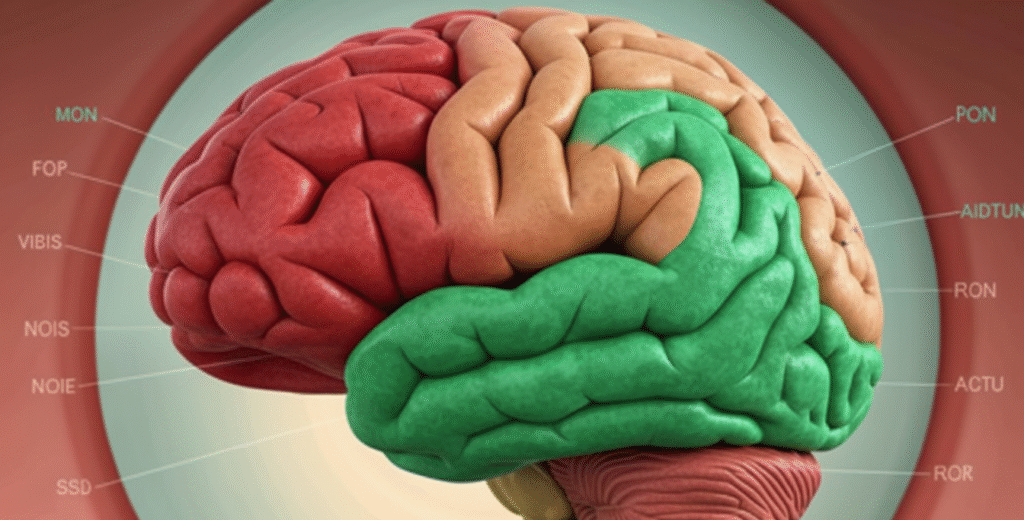
- it causes direct injury to the retina and basal ganglia (classically, bilateral basal ganglia necrosis) (CNIB+2; Eoftalmo+2)
Think of methanol as a Trojan horse: it enters as “just another alcohol,” but releases formate inside—the real cellular toxin.
3) How patients present: the deceptive phase and red flags
The classic StatPearls presentation includes a dangerous “latent” phase: (CNIB+1)
- in the first 12–24 hours:
- patients may be asymptomatic or just mildly “intoxicated”
- later:
- nausea, vomiting, abdominal pain
- hyperventilation (compensating for acidosis)
- decreased level of consciousness
- in severe cases: shock
The “calling card” that should trigger an immediate alarm:
Visual symptoms
- blurry vision, scotomas, “halos” around lights, photophobia
- funduscopic findings: papilledema, hyperemic optic disc, pupillary abnormalities (CNIB+1)
Typical lab pattern: (CNIB)
- early: elevated osmolar gap (lots of unmetabolized methanol)
- later: high anion gap + severe metabolic acidosis, while the osmolar gap may fall
- in many hospitals, methanol levels aren’t readily available or take too long—so decisions rely on clinical picture + blood gas + anion gap ± osmolar gap
Bottom line: high–anion gap metabolic acidosis + suspicious history + visual symptoms = methanol until proven otherwise.
4) Treatment (big-picture framework, not a “pocket recipe”)
StatPearls structures management around four main pillars: (CNIB)
(1) Support and stabilization
- stabilize airway, ventilation, circulation
- carefully correct acidosis and electrolyte disturbances
- ICU monitoring for severe cases
(2) Block formation of toxic metabolites
- fomepizole (preferred) or ethanol as competitive alcohol dehydrogenase inhibitors to stop conversion to formate
- these don’t “undo” what’s already metabolized, but they prevent worsening—the earlier, the better
(3) Hemodialysis
- often more broadly indicated in methanol poisoning than in some other toxic alcohol ingestions
- goals: remove methanol and metabolites, rapidly correct acidosis
- recommended for severe acidosis, significant neurologic findings, visual changes, hemodynamic instability, or high methanol levels (if available) (CNIB)
(4) Adjunctive measures
- folate/folinic acid as an adjunct, supporting conversion of formate to CO₂ and water (theoretical/modest benefit)
- manage complications: acute kidney injury, pancreatitis, neurologic sequelae (CNIB)
The chapter is clear: early recognition + rapid start of an ADH inhibitor + dialysis when indicated can dramatically change prognosis. Patients treated before significant toxic metabolite accumulation can do very well; late presenters face high risk of blindness, neurologic injury, and death. (CNIB+1)
Important: none of this replaces local protocols, official prescribing information, or consultation with poison control/toxicology. This is a conceptual summary—not layperson treatment instructions.
Implications and call to action
My take—combining StatPearls with the current situation in the Americas—is simple and uncomfortable:
Methanol has moved from textbooks into headlines.
Outbreaks from adulterated alcohol (including in Brazil) show this isn’t only an industrial exposure or suicide scenario—it’s a public health problem requiring surveillance, mass education, and clear protocols. (OPAS+1)
For clinicians, the key move is to suspect it early:
Unknown-source alcohol + blurry vision + high–anion gap acidosis = methanol until proven otherwise.
Waiting for lab confirmation can be too late. The message is: if suspicion is strong, start treatment and involve toxicology/nephrology early.
For the public, the message is harsh but direct:
“Cheap alcohol with no reliable source” isn’t savings—it’s Russian roulette, with a real risk of permanent blindness and death.
My bottom line: methanol is a powerful cellular poison, but it’s not unbeatable when recognized in time. The difference between a fatal case and a good outcome is often measured in hours—delayed suspicion and delayed targeted therapy.
That was today’s dose of science in the Medical Innovation column.
Now I want to hear from you: have you had suspected or confirmed methanol poisonings in your service? How accessible are fomepizole, hemodialysis, and toxicology support in your region? Share your experience in the comments, and come back tomorrow—we’ll keep tracking this intersection between clinical medicine, toxicology, and public health.
Main source:
Ashurst JV, Nappe TM. Methanol Toxicity. StatPearls [Internet]. NCBI Bookshelf, updated Feb 6, 2025.